



Think about learning to ride a bike. You don’t learn by reading about balance or listening to someone describe pedaling. You feel the handlebars, hear the instructions, watch the road, and move, all at the same time. The learning happens because your brain receives and connects information through multiple channels simultaneously.
Reading works on the same principle. For students with dyslexia and other language-based learning disabilities, the most effective instruction engages the eyes, the ears, the voice, and the hands together. The brain builds stronger, more lasting connections than any single pathway could create on its own. This is the foundation of multisensory instruction, and decades of research show that it works.
What Is Multisensory Instruction?
In everyday conversation, multisensory can sound like a catch-all for anything hands-on or engaging. Within structured literacy, it means something specific: the deliberate, simultaneous use of visual, auditory, and kinesthetic-tactile learning pathways during reading and language instruction.
For example, a student might see a letter on a card, say its name and sound aloud, and write it at the same time; these are not three separate activities but a single, reinforcing experience. The connection between what the eye sees, what the ear hears, and what the hand feels is intentional. Each channel strengthens the others.
This principle was formalized in the 1930s by neurologist Samuel Orton and educator Anna Gillingham, whose approach was built on the observation that students who struggled with traditional methods responded when multiple senses were engaged together. The Orton-Gillingham approach they developed became the foundation for structured literacy programs that remain the gold standard for students with dyslexia today—among them the PAF Reading Program, the primary instructional model used at The Windward School.

What the Brain Tells Us
For many years, the evidence for multisensory instruction was largely observational. Today, neuroscience gives us a clearer picture of why it works.
Brain imaging research has shown that students with dyslexia process printed language differently than their neurotypical peers. In skilled readers, the brain develops fast, efficient pathways that connect the look of printed words to their sounds and meanings, a process that becomes increasingly automatic with practice and good instruction. In students with dyslexia, those pathways tend to be less efficient, and the brain often recruits alternative routes. Reading requires considerably more effort as a result, and fluency does not develop in the same way.
This is not a deficit of intelligence or attention. It is a difference in how the brain is organized for language, and research tells us that difference is responsive to the right kind of instruction.
Studies using brain imaging have found that after intensive structured literacy intervention, students with dyslexia show measurable shifts in brain activation patterns, closer to those of typical readers. Researchers including Sally Shaywitz and her colleagues at Yale, as well as an independent team using different imaging technology, documented these changes in children who received explicit, phonologically grounded instruction. Separate research confirms that adults with dyslexia can experience similar brain changes, reinforcing the fact that remediation can be effective at any age.
Neuroscientist Stanislas Dehaene’s work adds important context. Learning to read is not a natural process; the brain must be explicitly taught to connect the visual shapes of letters to the sounds of spoken language. Passive exposure to print is not sufficient. Explicit, structured instruction drives the cortical reorganization that reading requires, and multisensory engagement supports that process by giving the brain simultaneous, reinforcing pathways through which those connections form.
What This Looks Like in the Classroom
The PAF Reading Program translates these principles into daily practice through a curriculum that is explicit, systematic, and cumulative. Nothing is left to chance or discovery. Concepts are introduced in a carefully designed sequence, with each new skill built on those that came before and reviewed continuously until knowledge becomes automatic.
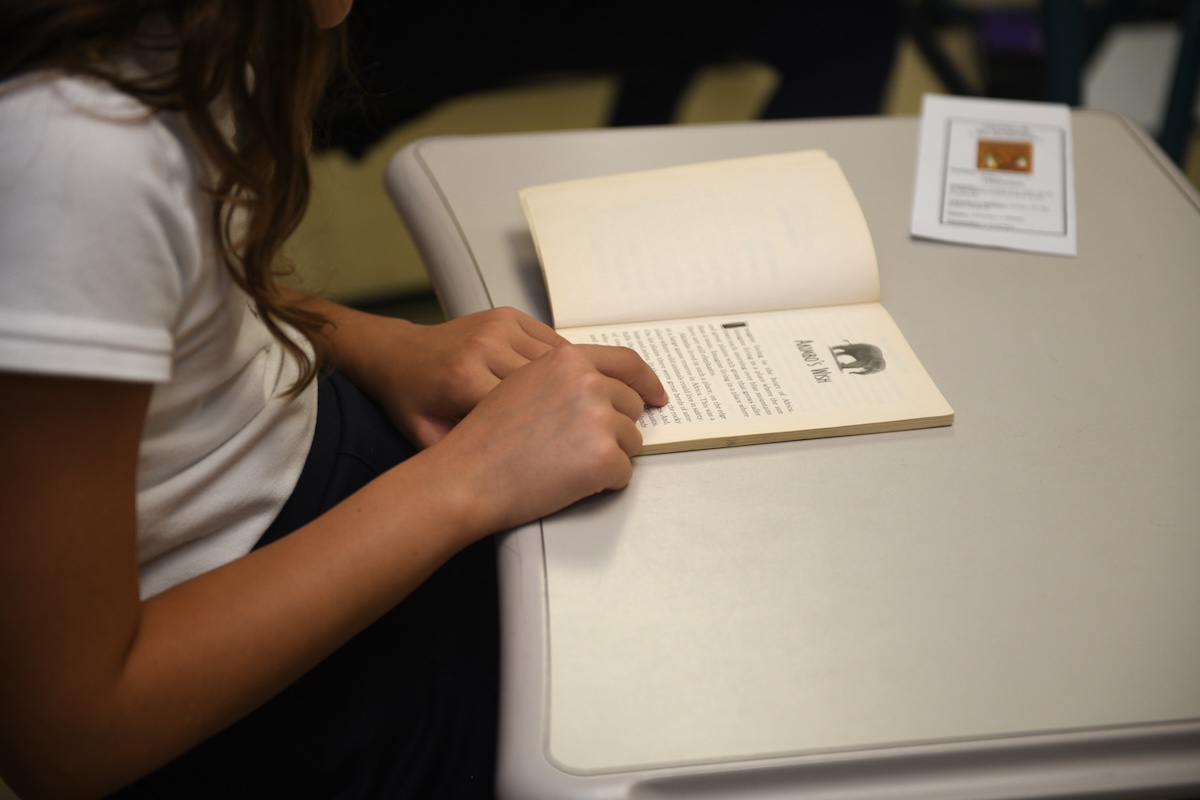
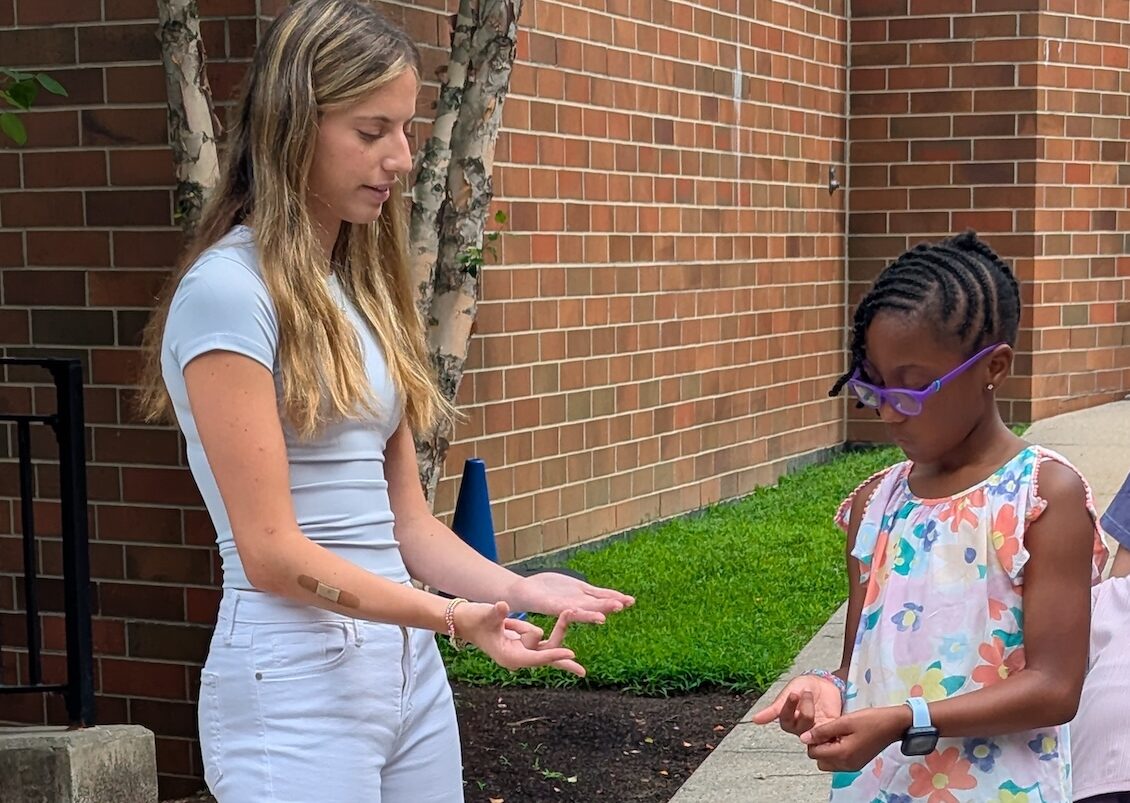
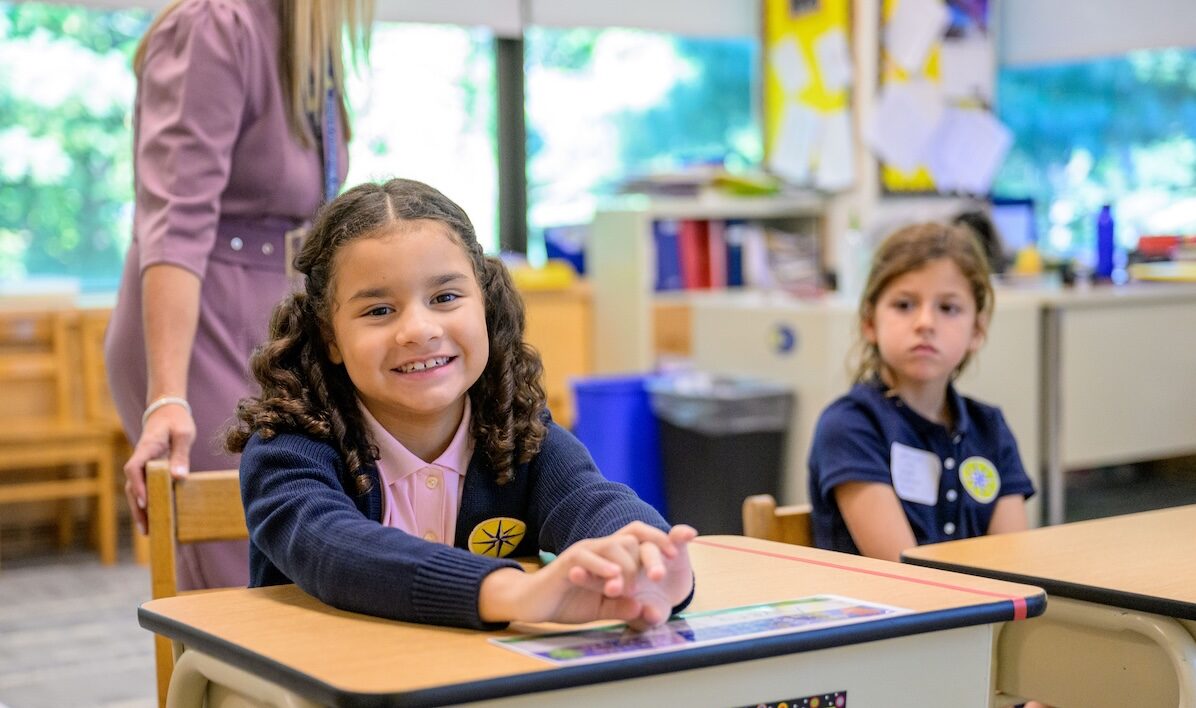
Every PAF lesson engages learners through all three channels at once. Students hear sounds, see letters and words, and use their hands to write, tap, or trace as they practice. The multisensory approach is not an add-on; it is woven into the structure of every lesson, every day.
Studies of intensive structured literacy interventions have found large and durable gains in word reading and decoding that hold up when students are assessed years later. A comprehensive review of more than 20 randomized controlled trials found that systematic phonics instruction was the only approach to produce statistically significant gains in reading and spelling for students with reading disabilities. The multisensory delivery of structured literacy programs is one of the defining features that distinguishes them from conventional reading instruction, providing students with the brain pathways through which phonics knowledge is built and retained.
Why This Matters for Families
For parents trying to make sense of why their child’s school approaches reading the way it does, the research offers a clear and encouraging answer. Multisensory structured literacy is not a trend or a teaching philosophy. It is the approach most consistently supported by both neuroscience and classroom research, developed over decades, and validated by some of the most rigorous studies in education and cognitive science.
At Windward, that evidence base shapes everything from curriculum design to daily lesson structure. Students are not simply practicing skills in isolation. They are building, through carefully sequenced and multisensory instruction, the neural foundations that reading requires. That process takes time and expert teaching. But the science is clear: With the right instruction, the brain can learn to read. And for students with dyslexia, that knowledge can change the trajectory of their lives.
Alumni Focus
Windward Alumni Stories
Learn how our alumni have gone on to thrive in school and beyond.



References
Dehaene, S., Pegado, F., Braga, L. W., Ventura, P., Nunes Filho, G., Jobert, A., Dehaene-Lambertz, G., Kolinsky, R., Morais, J., & Cohen, L. (2010). How learning to read changes the cortical networks for vision and language. Science, 330(6009), 1359–1364. https://doi.org/10.1126/science.1194140
Galuschka, K., Ise, E., Krick, K., & Schulte-Körne, G. (2014). Effectiveness of treatment approaches for children and adolescents with reading disabilities: A meta-analysis of randomized controlled trials. PLOS ONE, 9(2), e89900. https://doi.org/10.1371/journal.pone.0089900
Shaywitz, B. A., Shaywitz, S. E., Pugh, K. R., Mencl, W. E., Fulbright, R. K., Skudlarski, P., Constable, R. T., Marchione, K. E., Fletcher, J. M., Lyon, G. R., & Gore, J. C. (2002). Disruption of posterior brain systems for reading in children with developmental dyslexia. Biological Psychiatry, 52(2), 101–110. https://doi.org/10.1016/S0006-3223(02)01365-3
Shaywitz, B. A., Shaywitz, S. E., Blachman, B. A., Pugh, K. R., Fulbright, R. K., Skudlarski, P., Mencl, W. E., Constable, R. T., Holahan, J. M., Marchione, K. E., Fletcher, J. M., Lyon, G. R., & Gore, J. C. (2004). Development of left occipitotemporal systems for skilled reading in children after a phonologically-based intervention. Biological Psychiatry, 55(9), 926–933. https://doi.org/10.1016/j.biopsych.2003.12.019
Simos, P. G., Fletcher, J. M., Bergman, E., Breier, J. I., Foorman, B. R., Castillo, E. M., Davis, R. N., Fitzgerald, M., & Papanicolaou, A. C. (2002). Dyslexia-specific brain activation profile becomes normal following successful remedial training. Neurology, 58(8), 1203–1213. https://doi.org/10.1212/WNL.58.8.1203
Torgesen, J. K., Alexander, A. W., Wagner, R. K., Rashotte, C. A., Voeller, K. K. S., & Conway, T. (2001). Intensive remedial instruction for children with severe reading disabilities: Immediate and long-term outcomes from two instructional approaches. Journal of Learning Disabilities, 34(1), 33–58. https://doi.org/10.1177/002221940103400104